Mini Excavator Size Guide: How Operating Weight Affects Performance
Selecting the right mini excavator size is one of the most important decisions for contractors, rental companies, and equipment buyers. While many buyers initially focus on engine power or purchase price, operating weight is often the factor that determines how efficiently a machine performs in real working conditions.
A mini excavator that is too small may reduce productivity when handling demanding excavation tasks, while an oversized machine may increase transportation costs and limit accessibility on compact job sites. Therefore, choosing the correct excavator size requires a balance between digging capability, machine stability, transport requirements, and the type of work being performed.
For professional buyers, excavator size is not simply a measurement of machine weight. It represents the relationship between working performance, application flexibility, and long-term operating efficiency.
Understanding Mini Excavator Operating Weight
Operating weight refers to the total weight of the machine when it is ready for operation, including standard equipment, fluids, and necessary components. It is one of the key specifications used to classify mini excavators.
However, operating weight should not be considered independently. Two machines with similar weight ratings can have different performance levels depending on hydraulic system design, engine output, undercarriage structure, and overall engineering quality.
A heavier mini excavator generally provides better stability because the machine has a larger ground contact force. This is especially important when digging harder soil, lifting heavier materials, or operating with attachments such as hydraulic breakers and augers.
On the other hand, lighter mini excavators provide advantages in transportation and access. They are easier to move between job sites and can operate in areas where larger machines cannot enter, such as residential properties, narrow passages, and landscaping projects.
The right choice depends on how the machine will actually be used rather than selecting the highest weight category available.
How Excavator Size Influences Digging Performance
The size of a mini excavator directly affects several important working characteristics, including digging force, lifting capacity, stability, and attachment compatibility.
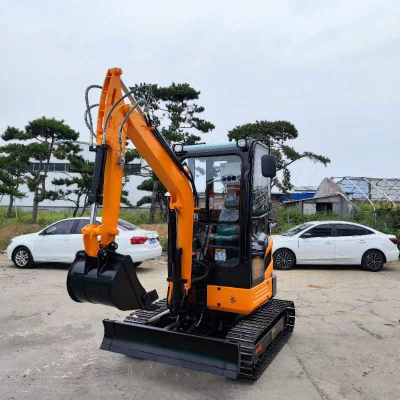
A compact machine with lower operating weight is designed primarily for precision work and limited-access applications. These machines are highly effective for landscaping, small utility installation, garden construction, and renovation projects where space is restricted.
As machine size increases, the excavator usually gains stronger digging performance and improved stability. This allows operators to complete deeper excavations, handle heavier materials, and maintain productivity during longer working cycles.
For example, a contractor performing foundation preparation or pipeline installation may require more digging force and working stability than a customer completing small residential landscaping projects.
This is why professional buyers should evaluate the complete working environment instead of choosing equipment based only on machine dimensions.
For a more detailed comparison of different excavator sizes and application requirements, buyers can also refer to our guide on how to choose the right mini excavator for your project.
Choosing Between 1 Ton, 2 Ton, and 3 Ton Mini Excavators
Different weight classes are designed for different operating requirements.
A 1-ton mini excavator is typically selected for projects where accessibility and transportation flexibility are the highest priorities. Its compact footprint allows it to work efficiently in narrow spaces, making it suitable for landscaping, small excavation projects, and residential construction.
A 2-ton mini excavator is often considered the most balanced option for contractors because it provides a combination of mobility and working performance. It offers stronger digging capability than smaller models while remaining easy to transport and operate on various job sites.
A 3-ton mini excavator provides additional stability, digging power, and lifting capability for users who require higher productivity. It is commonly used for more intensive construction tasks, utility projects, and applications requiring frequent operation with attachments.
The best machine size is not always the largest one. The ideal choice is the excavator that matches the majority of your expected workload while maintaining efficient operating costs.
The Importance of Matching Excavator Size With Job Requirements
Professional equipment selection begins with understanding the actual working conditions.
Before purchasing a mini excavator, buyers should consider factors such as soil conditions, required digging depth, transportation method, available working space, and future attachment requirements.
For example, a machine used mainly for trenching and underground utility installation may require different specifications compared with a machine used for landscaping or agricultural work.
Hydraulic performance is also an important consideration because modern mini excavators are often expected to operate multiple attachments. A machine with the correct hydraulic capability can support tools such as breakers, augers, grapples, and specialized buckets, increasing overall equipment utilization.
A well-selected mini excavator can serve multiple applications and provide better return on investment throughout its service life.
Why Operating Weight Matters for Long-Term Ownership
Operating weight affects more than daily performance. It also influences transportation, fuel consumption, maintenance requirements, and overall ownership costs.
A machine that is correctly sized for its application usually experiences less unnecessary stress because it operates within its intended working range.
For contractors and rental companies, equipment utilization is one of the most important factors affecting profitability. A versatile machine that can complete a wide range of projects often provides better business value than a specialized machine that is only suitable for limited applications.
This is why experienced buyers consider operating weight together with hydraulic performance, reliability, and application flexibility before making a purchasing decision.
Conclusion
Choosing the right mini excavator size requires more than comparing machine weights or engine specifications. Operating weight is an important indicator, but professional buyers should evaluate the complete relationship between machine size, working performance, transport requirements, and project demands.
A properly selected mini excavator can improve productivity, reduce operating costs, and provide greater flexibility across different construction applications.
Whether choosing a compact 1-ton model for restricted spaces, a versatile 2-ton machine for general contracting work, or a more powerful 3-ton excavator for heavier tasks, the correct size should always be determined by real working requirements.
Understanding how operating weight affects performance is the first step toward making a smarter equipment investment.